Introduction: When operating a network of sites in the U.S. market, content and technology must work together. This paper proposes solutions for US server cluster Practical recommendations are provided, emphasizing GEO optimization, localized content, technical SEO, and risk control to help improve visibility and stability in Google and local searches.
For the U.S. site cluster, first clarify the geographical or niche positioning of each site (state, city, or industry sub-sector). Create a keyword matrix to distinguish between core keywords, long-tail keywords, and local intent keywords, avoiding competition from duplicate keywords. Through search intent analysis and SERP research, determine the core themes and priority content types for each site, ensuring that the sites complement each other rather than competing with one another.
The content should be user-centered and localized: Use local place names, postal codes, common expressions, and local events. Create separate templates for different cities or states, incorporating local examples, reviews, and FAQs to enhance relevance. Each piece of content should have a clear title, description, and well-structured paragraphs, avoiding excessive repetition and pieced-together content.
The URL strategy for the site cluster should consider the convenience for users and crawlers. Weigh the impact on GEO and maintenance costs when using subdomains, subdirectories, or separate domain names. A clear table of contents with a flat hierarchy can improve crawling efficiency. Maintain separate sitemap and robots rules for each site, and ensure that breadcrumbs, internal search, and internal links support topic weight transfer.
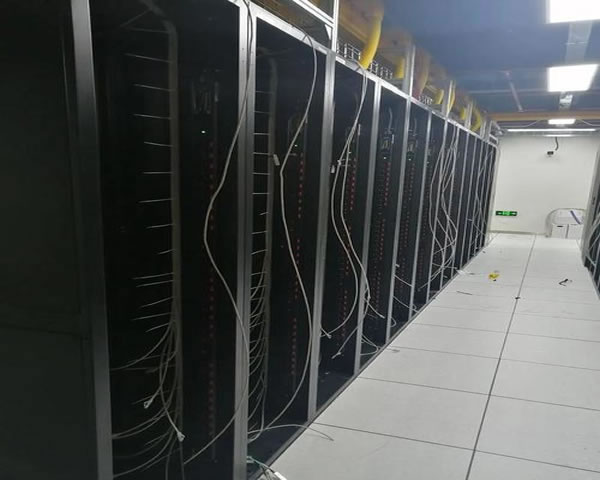
Servers or CDN nodes should cover major regions in the United States to reduce latency and ensure fast local loading speeds. Use Anycast and edge caching reasonably to ensure that static resources are distributed via CDN, while keeping dynamic requests directed to the main nodes. Pay attention to DNS resolution speed and SSL configuration to reduce the negative impact of Time to First Byte (TTFB) on rankings.
The U.S. search engine industry places great emphasis on mobile-friendliness and Core Web Vitals. Optimize lazy loading of images and resources, reduce third-party scripts, and use preloading and caching strategies. Prioritize meeting the targets for Largest Contentful Paint, First Input Delay, and Cumulative Layout Shift to improve click-through rates and reduce bounce rates, thereby enhancing ranking signals.
Use Schema.org Label business information, location, reviews, and FAQs to enhance the richness of display in search results. Each site should consistently display NAP information (name, address, phone number), and this information should be synchronized in both local directories and map services, to avoid a decline in trust or incorrect location determination due to inconsistencies.
Build a reasonable internal link network within the site cluster to distribute weight and highlight the core pages of the main site and its sub-sites. Avoid excessive interlinking or artificially creating a large number of similar links to avoid triggering penalties. External links should focus on natural acquisition and high-quality sources; stable citations can be obtained through collaborations with local media, industry resource pages, and content partnerships.
Regularly analyze server logs to monitor crawler crawling frequency and error pages, optimizing the crawling budget. Identify crawling issues, duplicate content, or indexing problems using Search Console and third-party tools. Update the sitemap promptly and fix 404/5xx errors to ensure important pages are discovered and indexed quickly.
For the U.S. market, hreflang or explicit geographic signals (en-US, state-specific pages) can be used to help search engines understand the target audience. Domain name selection (.com preferred) as well as WHOIS, hosting location, payment currency, etc., also affect geographic relevance. Enhance GEO matching by combining localized content and structured data.
Establish regular KPI monitoring (traffic, keyword rankings, conversions, local search performance), as well as A/B testing and content update processes. Rewrite or merge content on underperforming pages, establish a priority list for fixing technical issues, and maintain the adaptability and stability of the website cluster after search algorithm updates.
Practical suggestions on how to improve rankings for American-language website clusters through content and technology can be summarized as: Clarify the positioning of each branch to avoid internal conflicts, focus on high-quality localized content, and complement it with solid technical SEO (servers, performance, structured data, and crawler management). Continuously monitor and make small iterative improvements to control risks, while building trust and traffic over the long term.
- Latest articles
- Popular tags
-
Best Practices For Hybrid Deployment Of Buying Server Hosting And Cloud Services In The United States
it provides professional guidance on architecture planning, network connection, security compliance, backup and disaster recovery, monitoring and automation, etc. for the best practices of hybrid deployment that combines server hosting and cloud services in the united states. it is suitable for enterprises looking for stable and efficient hybrid cloud solutions. -

How To Choose A Suitable Us Server Memory Module
learn how to choose a suitable us server memory module to help optimize server performance and improve website speed and stability. -
